Structural Foundation Repair
Foundation Repair and Structural Stabilization
Seeing signs of foundation movement? Discuss your concerns and possible next steps. Get a Free Estimate
Structural Foundation Repair
Seeing signs of foundation movement? Discuss your concerns and possible next steps. Get a Free Estimate
Foundation cracks, uneven floors, and shifting walls can be unsettling, especially when you do not know what caused them. The important first step is to understand whether the condition is cosmetic, structural, or related to ongoing movement. A crack alone does not tell the whole story.
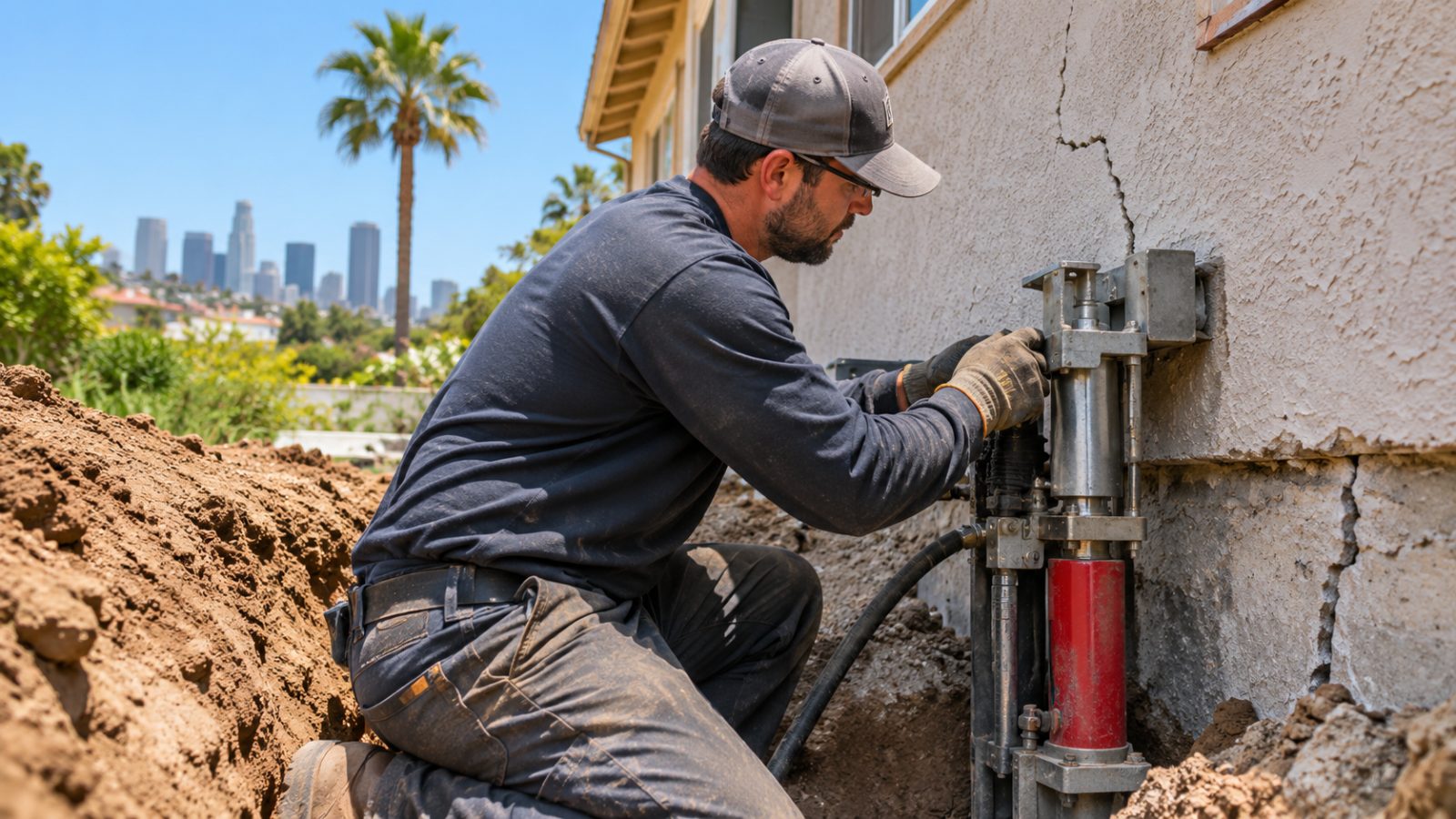
Foundation repair and structural stabilization can involve several different techniques. The right approach depends on the foundation system, soil conditions, damage pattern, and structural loads. Pasadena homes range from older raised-floor buildings to slab-on-grade construction, so repair recommendations need to reflect the actual property.
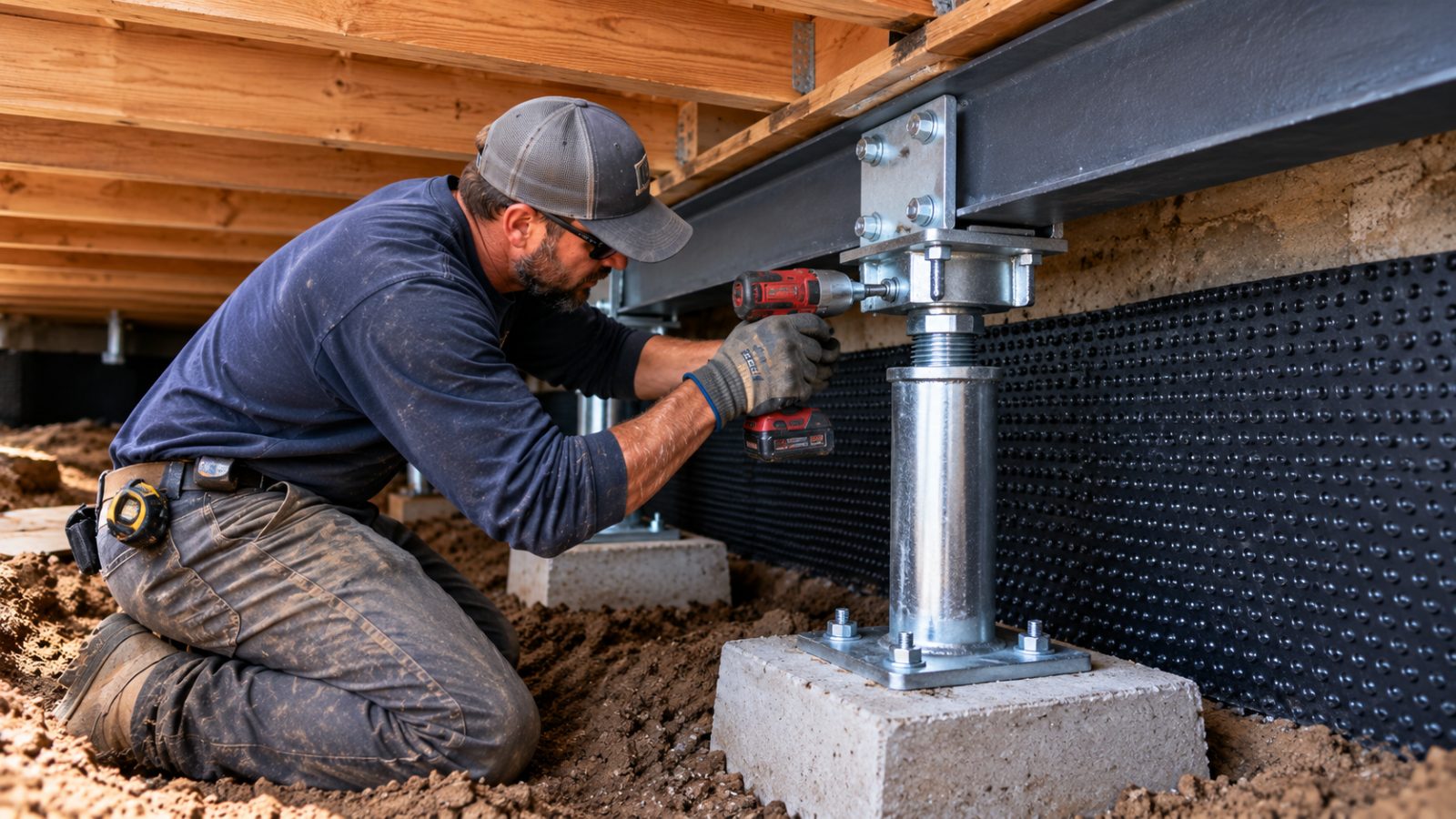
Structural stabilization begins with evaluating visible damage, reviewing the foundation's condition, and identifying possible contributing factors. Where necessary, a licensed structural engineer or geotechnical professional can provide analysis and repair design. Work should address the source of instability where practical, rather than simply covering cracks.
Not every foundation crack indicates a serious problem. Hairline shrinkage cracks can behave differently from diagonal cracks, displaced concrete, or cracks that continue to widen. Their location, direction, width, and history can help determine whether monitoring, repair, or further structural investigation is appropriate.
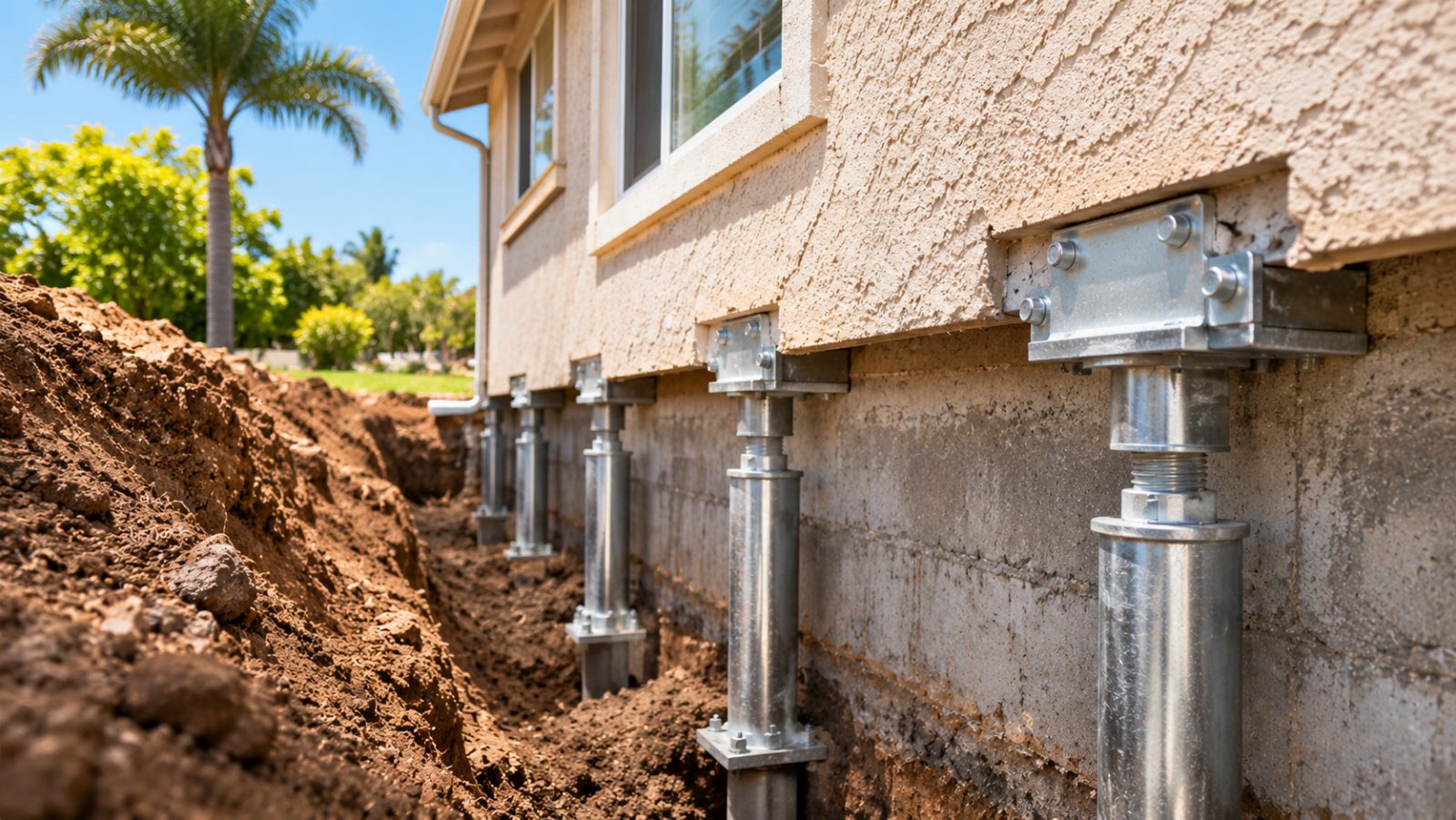
When part of a foundation has lost adequate support, stabilization may involve reinforcing or supporting affected structural elements. The solution depends on the foundation and load path. Some projects require temporary shoring and engineered details before permanent repairs can begin.
Concrete foundations may experience cracking, deterioration, spalling, or localized damage. Repair techniques can include suitable crack treatment, concrete restoration, or replacement of compromised sections. The condition of reinforcement and the cause of damage should be considered before selecting a method.
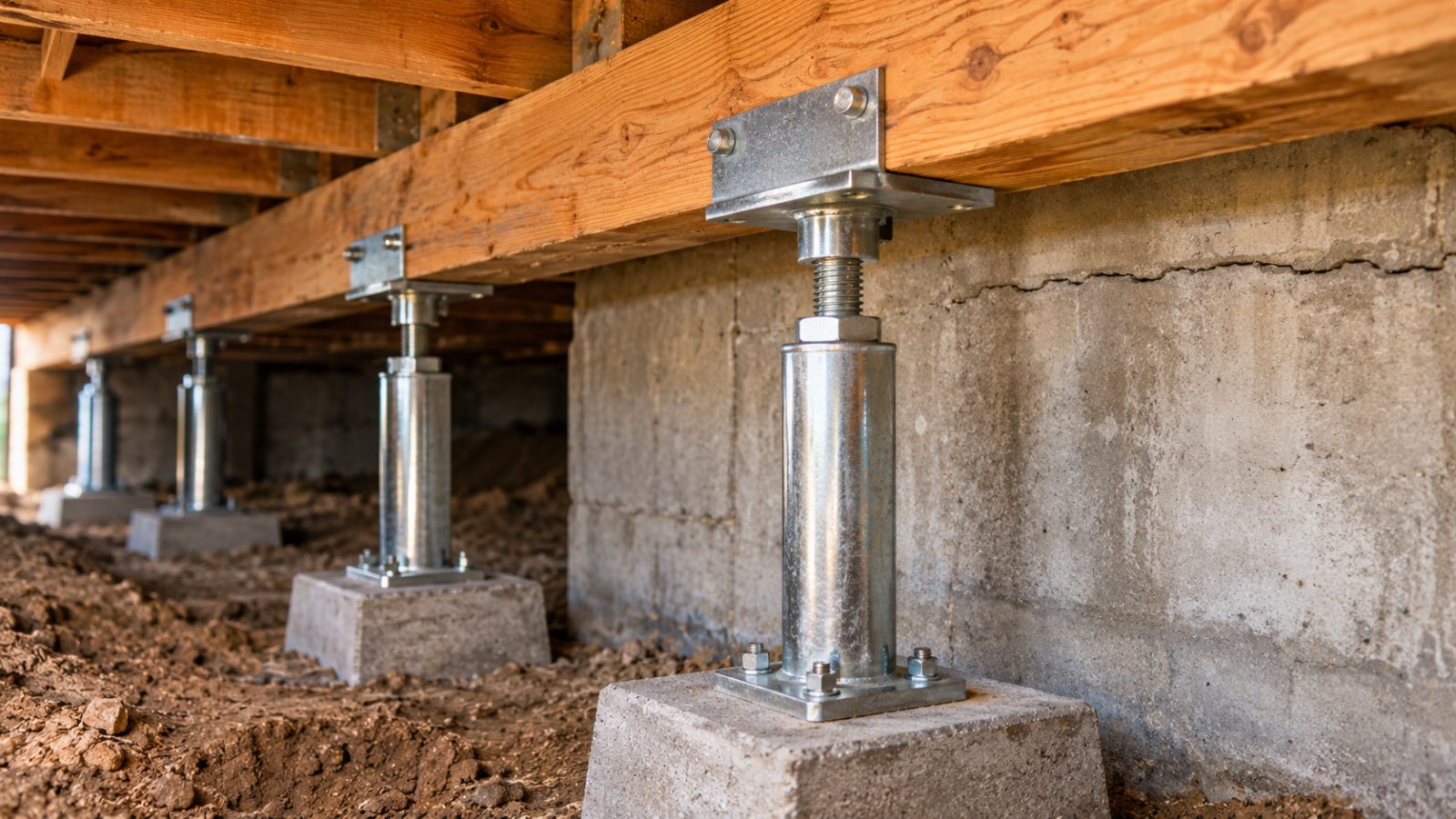
Raised-floor homes may rely on perimeter foundations, interior posts, girders, and floor framing. Weak supports or movement beneath the structure can create sloping or bouncy floors. Repair planning should consider the connected structural system rather than treating each symptom separately.
Poor surface drainage, plumbing leaks, changing soil moisture, and slope conditions may contribute to foundation movement. Structural repairs may need to be coordinated with drainage improvements or other site corrections to reduce the chance of recurring problems.
| Service | Estimated Cost | Average |
|---|---|---|
| Foundation crack repair | Requires site evaluation | Not established |
| Localized structural stabilization | Requires site evaluation | Not established |
| Concrete foundation section repair | Requires site evaluation | Not established |
| Extensive structural stabilization | Requires engineered scope | Not established |
These entries are not price quotations. Costs depend on the property, access, structural design, permits, materials, and repair scope. No company-specific pricing data has been provided.
The visible crack is not always the underlying problem. We emphasize understanding movement and structural conditions before choosing a repair.
Different foundation systems require different methods. The repair approach should fit the actual structure.
A useful proposal explains what will be repaired, why the work is recommended, and what limitations may remain.
Structural repairs can affect occupied buildings. Proper planning, qualified engineering when required, and inspection coordination are important.
Describe the cracks or structural movement you have noticed and request a conversation about repair options.
Free — no obligations
Review cracks, movement, floor conditions, and the history of the problem.
Identify the foundation type, affected areas, and possible contributing conditions.
Determine whether additional testing, engineering, or permits are necessary.
Carry out the defined structural work with appropriate safety and inspection procedures.
Explain completed work, remaining limitations, and any recommended monitoring or maintenance.